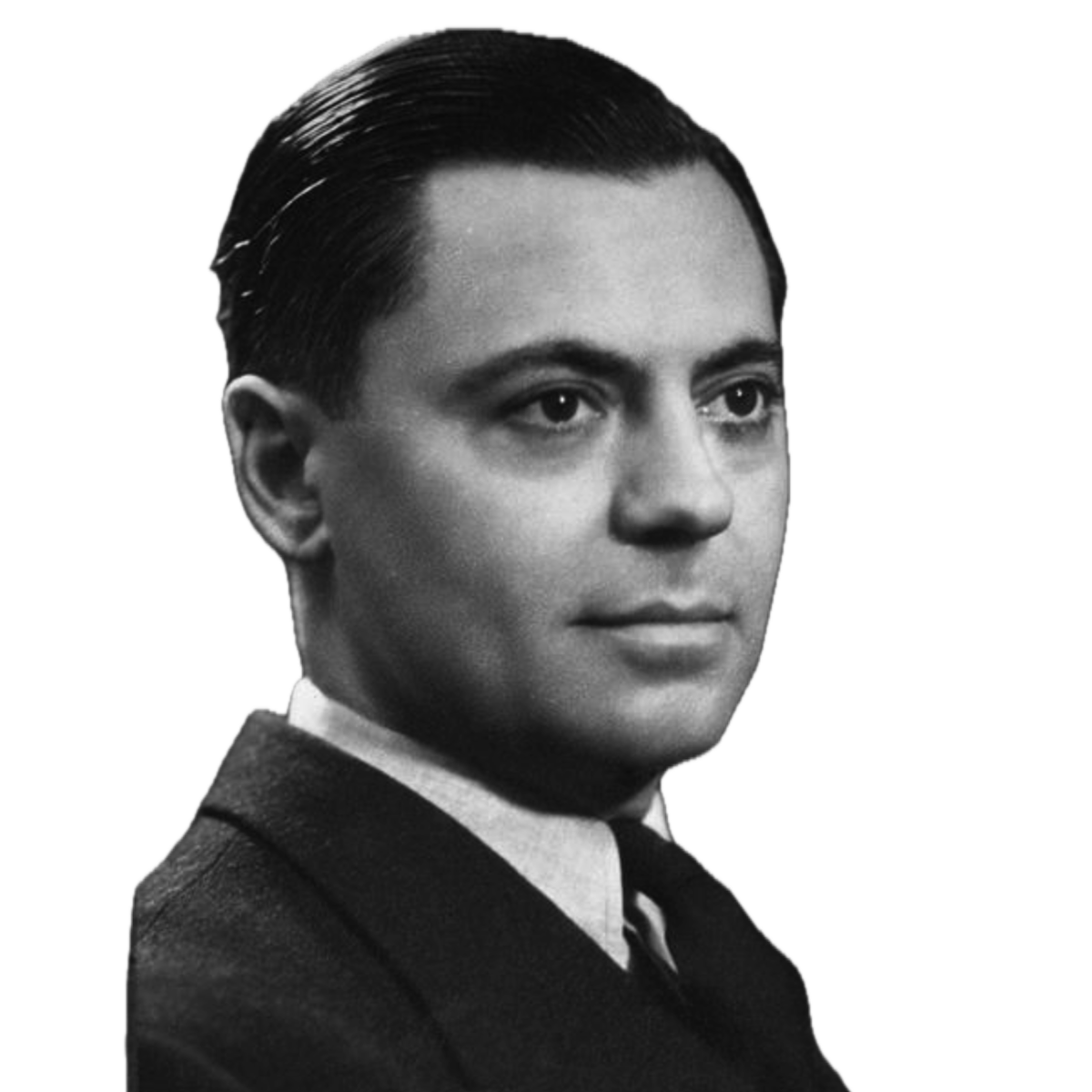
B-17F "Slo-Time Sally"
Chemin de la Résistance et des Maquis
Mis en ligne sur le site le 22 septembre 2026
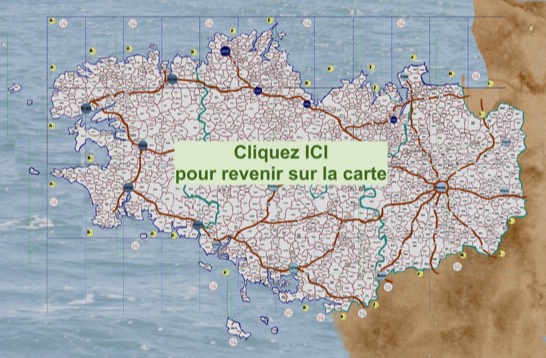
Bury St Edmunds → Bordeaux → Poullaouen → filières clandestines → Plouha → Angleterre
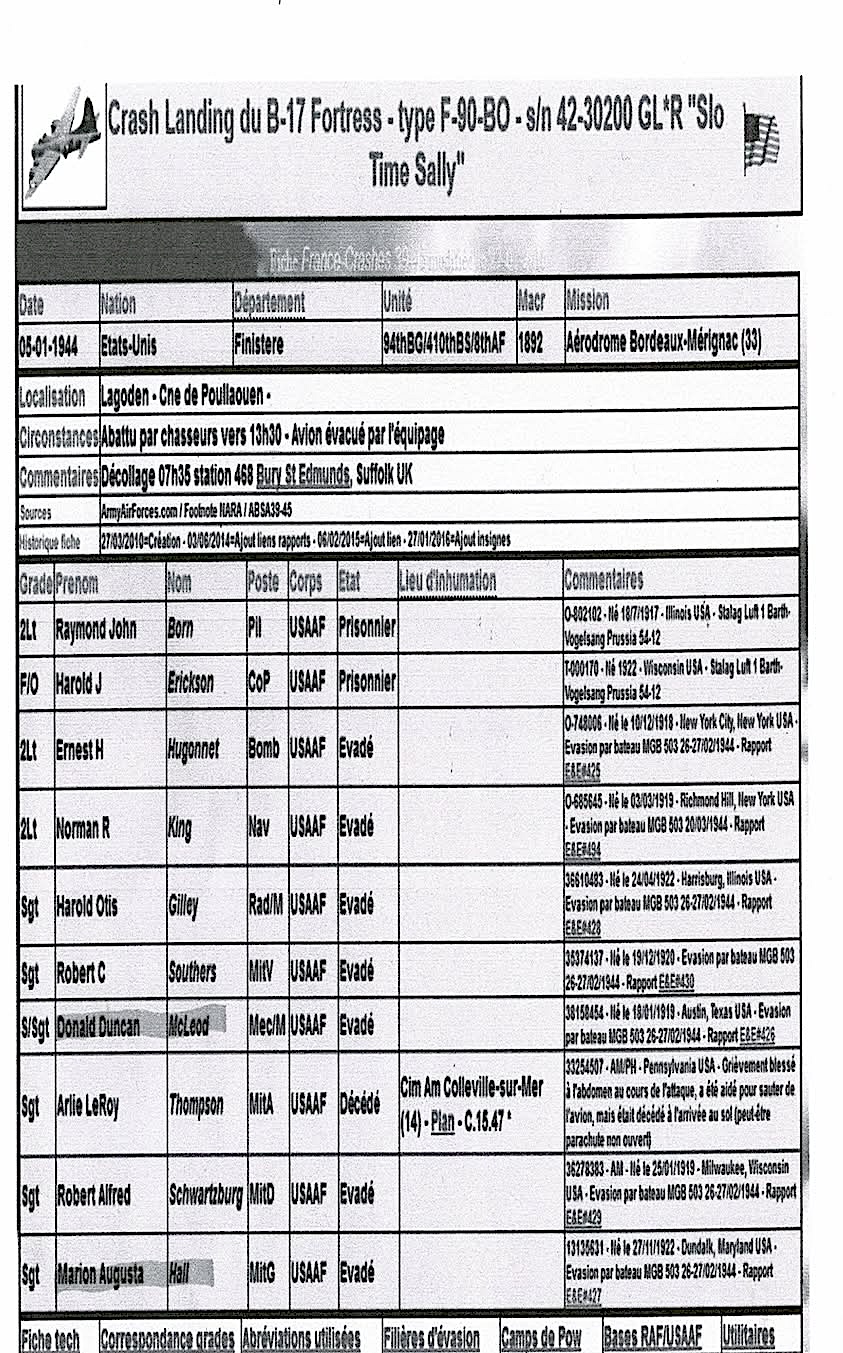
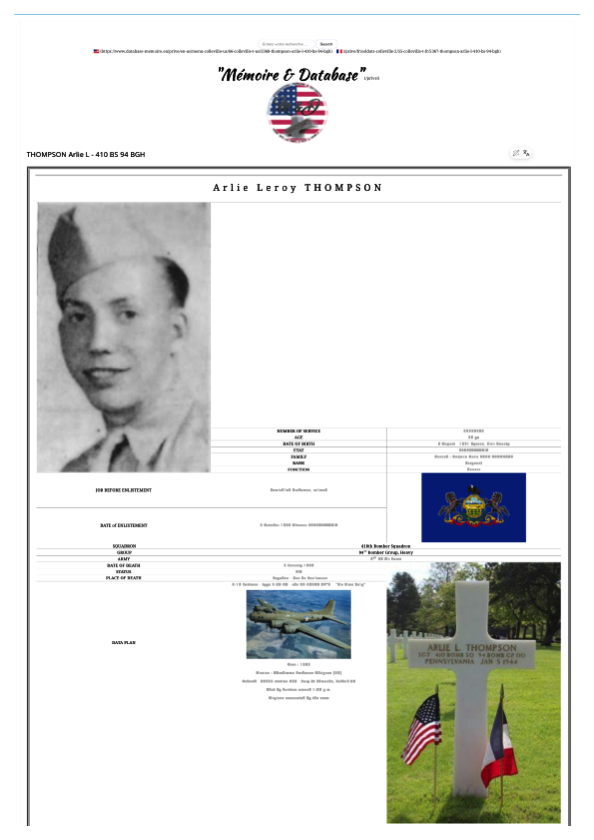
Le 5 janvier 1944, un bombardier de la 8th Air Force de l'USAAF portant le nom SLO TIME SALLY s'écrase au lieu-dit Lagoden. Cette tragédie coûta la vie au Sgt Arlie Leroy Thompson, jeune aviateur. Il est inhumé au cimetière américain de Colleville-sur-mer en Normandie.
B-17 42-30200 / Slo-Time Sally
Delivered Cheyenne 27/4/43; Smoky Hill 6/5/43; Tinker 21/5/43; Dow Fd 25/5/43; Assigned: 410BS/94BG [GL-R] Earls Colne 5/6/43; Rougham 13/6/43; MIA Bordeaux 5/1/44 Pilot: Ray Born, Co-Pilot: Harry Erikson (2POW); Navigator: Norman King, Bombardier: Ernie Hugonnet, Engineer / Top Turret Gunner: Don McLeod, Radio Operator: Harry Gilley, Ball Turret Gunner: Bob Southers, Waist Gunner: Marion Hall, Waist Gunner: Bob Schwartzburg (7EVD); Tail Gunner: Arlie Thomson (KIA); Enemy aircraft KO’d #3 & #4, crash-landed Kergrist-Moelou, near Gouarec,Fr; MACR 1892. (The pilot’s brother, an infantry Sgt, arranged to meet at base on return from mission). SLO-TIME SALLY.
SOURCE : https://b17flyingfortress.de/en/b17/42-30200-slo-time-sally/
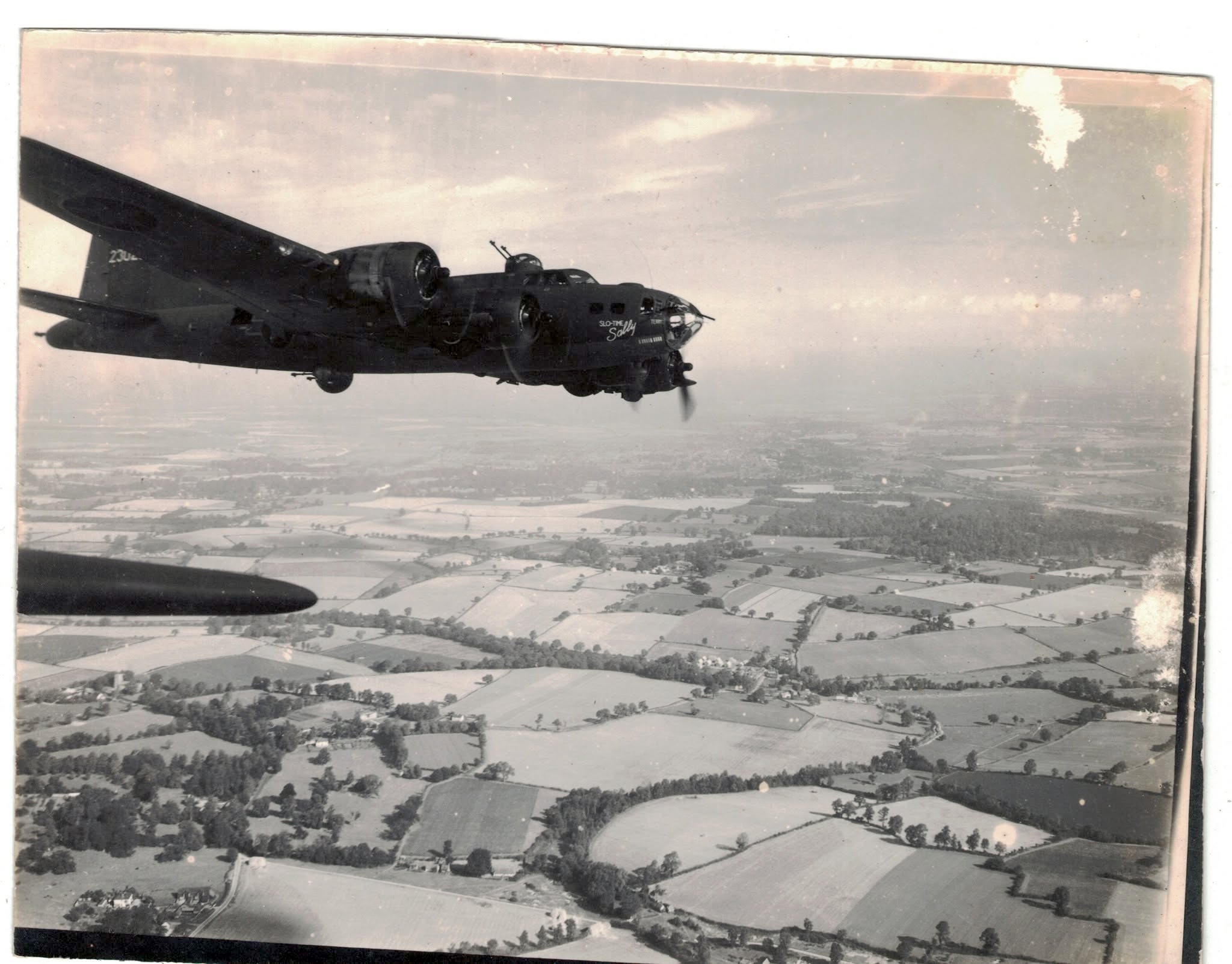
B-17F-90-BO 42-30200 Slo-Time Sally Image from Ginny Malara via Kurt Richardson


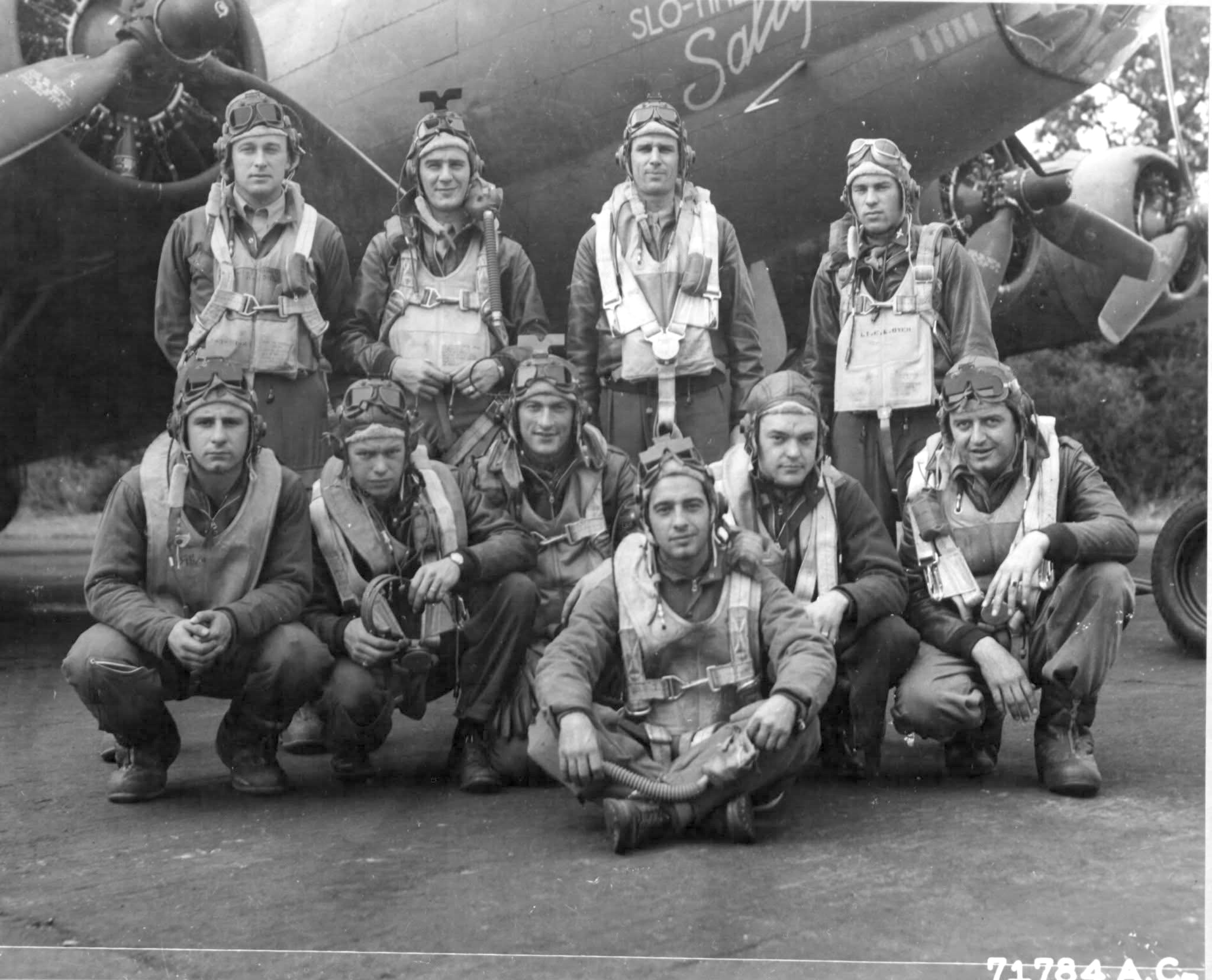
Capt, Adams & Crew from the 94thBG with "Slo-Time Sally"#42-30200. A number of crew wearing the RAF Type MK VII goggles, with tinted flip shields
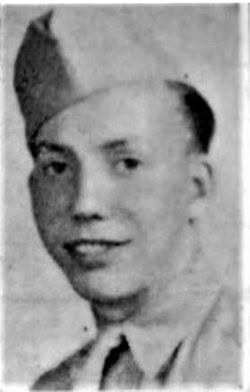
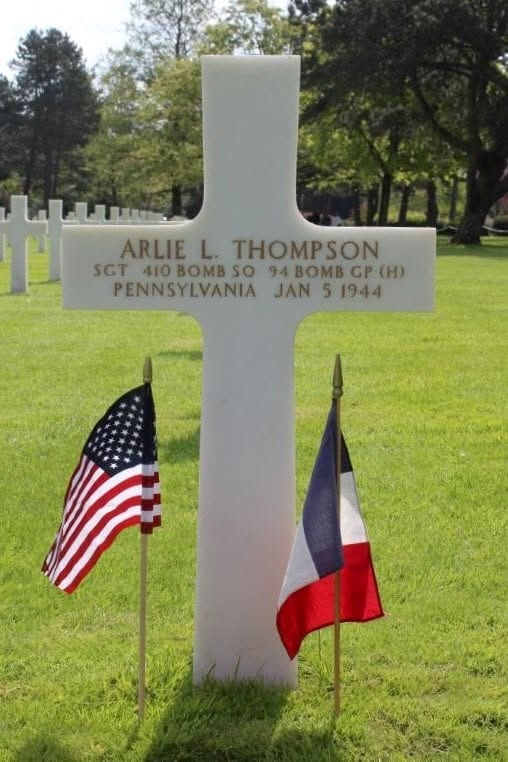
Arlie Leroy Thompson
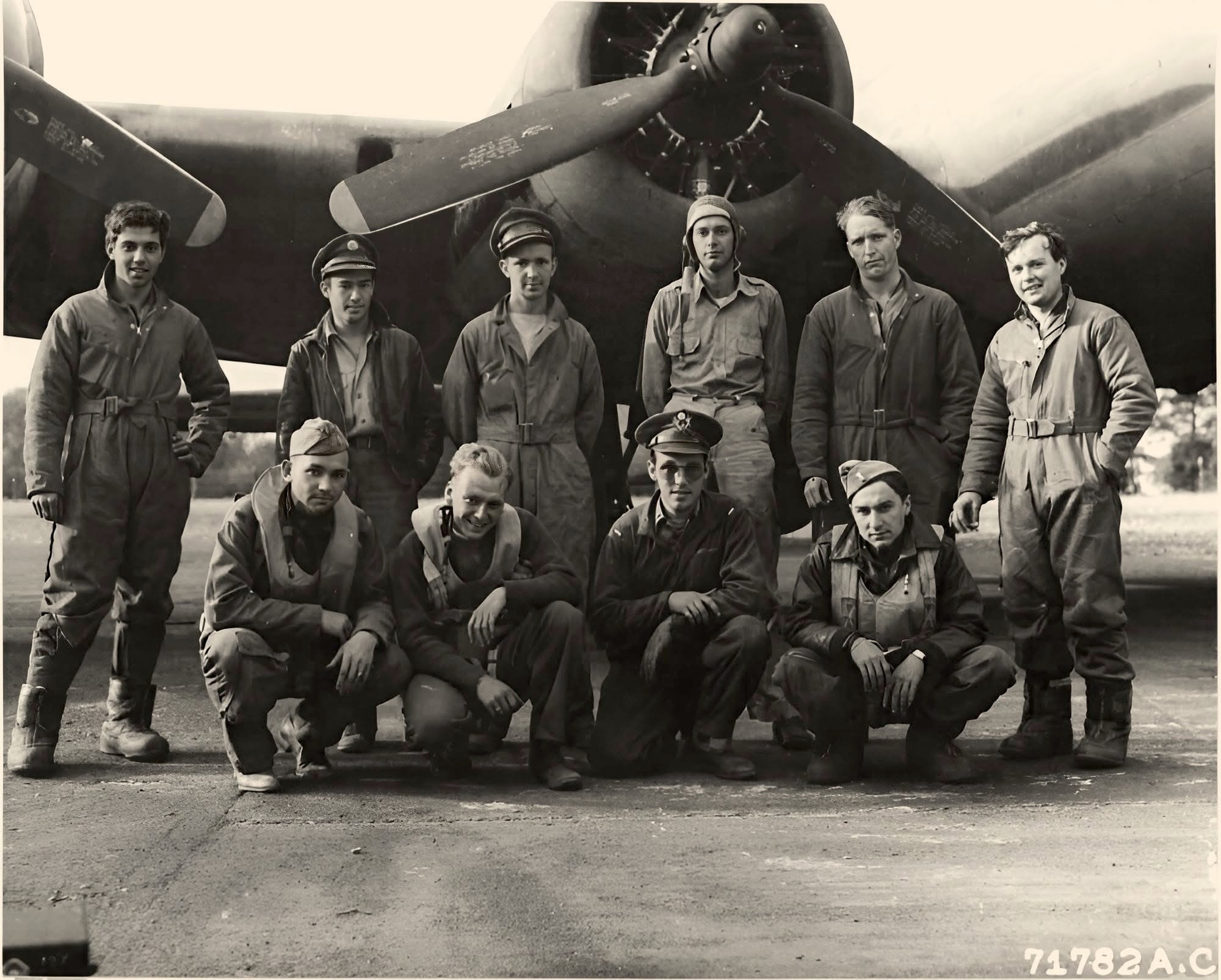
94Th BG, Lt,R.T.Young & Crew by "Slo-Time Sally"#42-30200 Sept 1943, Also, nose shot of "Slo-Time Sally" B-17F.
The 94th Bomb Group at Earls Colne, 1943.
Le 5 janvier 1944,
https://miscellavia.com/the-94th-bomb-group-at-earls-colne-1943/
The 94th Bomb Group was not one of the first across the Atlantic (7), but arrived as part of the ‘second wave’ of Eighth Air Force units in April 1943. Commanded by Colonel John G.Moore, the 94th initially flew from Bassingbourn in Cambridgeshire becoming part of the newly-formed 4th Wing along with fellow B-17 operators the 95th and 96th Bomb Groups. The first mission for the 4th Wing had been to St.Omer airfield, France, on May 13th, followed by the Belgian port of Antwerp the next day and Emden, Germany, on 15th. On May 17th, the 94th BG dispatched 21 B-17s as part of the 4th Wing attack on Lorient, Brittany and, on May 19th, the German naval port of Flensburg was targeted by 64 4th Wing B-17s. For the last 94th operation before moving to Earls Colne, the three original 4th Wing B-17 Groups were joined by a fourth Bomb group, the 92nd, for a second raid on Emden. The Luftwaffe had noted the USAAF ‘designated lead bomber’ system and, as the 94th’s primary B-17 approached Emden, German fighters attacked head-on. The bombardier, who also functioned as forward gunner, started firing upon the fighters but his gun jammed in firing mode, throwing him backwards onto the bomb-aiming equipment. the Norden sight commenced the bomb drop sequence although the bombers were still well short of their intended target. Upon seeing the lead group releasing their bomb load, the following Fortresses also released their deadly cargo (2).
(7) The USAAF’s first operational combat aircraft, a B-17E of the 97th Bomb Group, arrived at Prestwick on July 1st 1942 and, by July 6th, Fortresses had arrived at Polebrook (Roger Freeman, Mighty Eighth).
The Fourth Wing, commanded by Colonel Curtis Le May, had made its operational base in the historic Marks Hall adjacent to Earls Colne airfield so the 94th’s move made geographical sense. However, the indications are that the airfield, although constructed with a Class ‘A’ 6000′ runway, wasn’t best suited to the heavy bombers. The auxiliary runways (12/30 and 07/25) were the regular 4200′ length but locals have described how aircraft returning from battle used to skim very low over the B1024 Coggeshall Road at the eastern end of runway 12/30 enabling a quick assessment of battle damage. The presence of the Bird-in-Hand pub close to this end of the runway also created an issue – how to keep the bar but remove the obstruction. The solution was simple but brilliant: the pitched roof was torn-off and replaced by a flat one. It may have been a temporary measure but the original roof line was only restored in the late sixties/ early seventies (8). In fact, it seems more likely that the damage estimation by local spotters related to the succeeding resident Bomb Group, 323rd, as the 94th BG B-17s only returned to Earls Colne twice operationally before moving to Bury St.Edmunds. However, it was the Fortresses which made the impression on the public – another, somewhat fanciful, local legend tells of the Boeing B-17s ‘bouncing in the sugar beet field’ to scrub off some speed before landing on the main runway.
(8) By the late sixties/ early seventies when the roof line was restored, the Bird in Hand had resumed life as an Essex country pub. Managed by Mr Eric Trodd and the formidable Mrs Trodd, the ‘Bird’ was a Free House for many years until it became a Ridleys pub. Bearing in mind its wartime history and the drinking clientele of the 1940s, the pub wall featured several photos of 323rd BG B-26s and their crews. After various attempts to modernise the dining facilities, the Bird was put up for sale in 2017 and, after standing empty for some years, was finally demolished in 2022. It had been a pub since 1862 when occupied by beer retailer Daniel Webb. Another lost piece of East Anglian history.
The 94th’s first mission from Earls Colne was flown on May 29th 1943 with the Naval Storage Depot at Rennes the target. This was an important rail marshaling yard for the U-boat bases in Brittany and the 4th Bomb Wing operation was flown in conjunction with a 1st Bomb Wing attack on the St.Nazaire U-Boat pens and the 2nd Bomb Wing visit to the La Pallice U-boat base. The 72 B-17s of the 4th Bomb Wing took-off, assembled and then attempted to navigate to France using point-to-point navigation not supported by dead reckoning. They became lost and failed to make an adequate run-in to target. To complement this fiasco, three aircraft were lost and one landed at Northolt with a dead crew member on board. The next mission for 94th was not until June 11th when three of the 4th Wing groups headed for the naval yard at Wilhelmshaven. The USAAF’s daylight precision bombing was compromised by the German’s use of smoke buoys to virtually obliterate the target. The 94th despatched 29 B-17s, 25 were effective over the target and none were lost.
The 94th’s third and final mission from Earls Colne took off on the morning of Sunday June 13th 1943 heading for the U-boat yard and dock facilities at Kiel, Germany. The target was always going to be heavily defended by flak but enemy fighters also made their presence felt as soon as the B-17s crossed the enemy coast. The 95th Bomb Group, leading the mission, had lost seven or eight B-17s by the time they regained the North Sea coast and, by the time they reached Framlingham, only five of the original sixteen remained intact. The 94th BG had taken-off from Earls Colne with 26 aircraft, 22 had bombed the target and they had largely escaped the carnage experienced by the 95th. However, worse was to follow: heading back across the North Sea to their new home at Bury St.Edmunds, several of the Fortress crews decided that the threat of enemy aircraft had passed and it would be safe to strip and clean their guns. Within 30 miles of the East Anglian coast, the Fortresses were jumped by a dozen Ju88 night fighters which hastily dispatched nine of the American aircraft. The 4th Bomb Wing had undoubtedly acted as a magnet for Luftwaffe fighters which had given the 1st Bomb Wing an easy passage to the Bremen shipyards but neither mission had been spectacularly accurate with their bombing. The Fourth Bomb Wing’s loss of 22 B-17s definitely shook the composure of the Eighth Air Force.
B-17F Flying Fortresses operated by the 94th BG during their residence at Earls Colne. This information is summarised from David Osborne’s aircraft histories in ‘The Boeing B-17 Flying Fortress Story’ , Roger Freeman, Arms & Armour Press, 1998.
(7) The USAAF’s first operational combat aircraft, a B-17E of the 97th Bomb Group, arrived at Prestwick on July 1st 1942 and, by July 6th, Fortresses had arrived at Polebrook (Roger Freeman, Mighty Eighth).
The Fourth Wing, commanded by Colonel Curtis Le May, had made its operational base in the historic Marks Hall adjacent to Earls Colne airfield so the 94th’s move made geographical sense. However, the indications are that the airfield, although constructed with a Class ‘A’ 6000′ runway, wasn’t best suited to the heavy bombers. The auxiliary runways (12/30 and 07/25) were the regular 4200′ length but locals have described how aircraft returning from battle used to skim very low over the B1024 Coggeshall Road at the eastern end of runway 12/30 enabling a quick assessment of battle damage. The presence of the Bird-in-Hand pub close to this end of the runway also created an issue – how to keep the bar but remove the obstruction. The solution was simple but brilliant: the pitched roof was torn-off and replaced by a flat one. It may have been a temporary measure but the original roof line was only restored in the late sixties/ early seventies (8). In fact, it seems more likely that the damage estimation by local spotters related to the succeeding resident Bomb Group, 323rd, as the 94th BG B-17s only returned to Earls Colne twice operationally before moving to Bury St.Edmunds. However, it was the Fortresses which made the impression on the public – another, somewhat fanciful, local legend tells of the Boeing B-17s ‘bouncing in the sugar beet field’ to scrub off some speed before landing on the main runway.
(8) By the late sixties/ early seventies when the roof line was restored, the Bird in Hand had resumed life as an Essex country pub. Managed by Mr Eric Trodd and the formidable Mrs Trodd, the ‘Bird’ was a Free House for many years until it became a Ridleys pub. Bearing in mind its wartime history and the drinking clientele of the 1940s, the pub wall featured several photos of 323rd BG B-26s and their crews. After various attempts to modernise the dining facilities, the Bird was put up for sale in 2017 and, after standing empty for some years, was finally demolished in 2022. It had been a pub since 1862 when occupied by beer retailer Daniel Webb. Another lost piece of East Anglian history.
The 94th’s first mission from Earls Colne was flown on May 29th 1943 with the Naval Storage Depot at Rennes the target. This was an important rail marshaling yard for the U-boat bases in Brittany and the 4th Bomb Wing operation was flown in conjunction with a 1st Bomb Wing attack on the St.Nazaire U-Boat pens and the 2nd Bomb Wing visit to the La Pallice U-boat base. The 72 B-17s of the 4th Bomb Wing took-off, assembled and then attempted to navigate to France using point-to-point navigation not supported by dead reckoning. They became lost and failed to make an adequate run-in to target. To complement this fiasco, three aircraft were lost and one landed at Northolt with a dead crew member on board. The next mission for 94th was not until June 11th when three of the 4th Wing groups headed for the naval yard at Wilhelmshaven. The USAAF’s daylight precision bombing was compromised by the German’s use of smoke buoys to virtually obliterate the target. The 94th despatched 29 B-17s, 25 were effective over the target and none were lost.
The 94th’s third and final mission from Earls Colne took off on the morning of Sunday June 13th 1943 heading for the U-boat yard and dock facilities at Kiel, Germany. The target was always going to be heavily defended by flak but enemy fighters also made their presence felt as soon as the B-17s crossed the enemy coast. The 95th Bomb Group, leading the mission, had lost seven or eight B-17s by the time they regained the North Sea coast and, by the time they reached Framlingham, only five of the original sixteen remained intact. The 94th BG had taken-off from Earls Colne with 26 aircraft, 22 had bombed the target and they had largely escaped the carnage experienced by the 95th. However, worse was to follow: heading back across the North Sea to their new home at Bury St.Edmunds, several of the Fortress crews decided that the threat of enemy aircraft had passed and it would be safe to strip and clean their guns. Within 30 miles of the East Anglian coast, the Fortresses were jumped by a dozen Ju88 night fighters which hastily dispatched nine of the American aircraft. The 4th Bomb Wing had undoubtedly acted as a magnet for Luftwaffe fighters which had given the 1st Bomb Wing an easy passage to the Bremen shipyards but neither mission had been spectacularly accurate with their bombing. The Fourth Bomb Wing’s loss of 22 B-17s definitely shook the composure of the Eighth Air Force.
B-17F Flying Fortresses operated by the 94th BG during their residence at Earls Colne. This information is summarised from David Osborne’s aircraft histories in ‘The Boeing B-17 Flying Fortress Story’ , Roger Freeman, Arms & Armour Press, 1998.
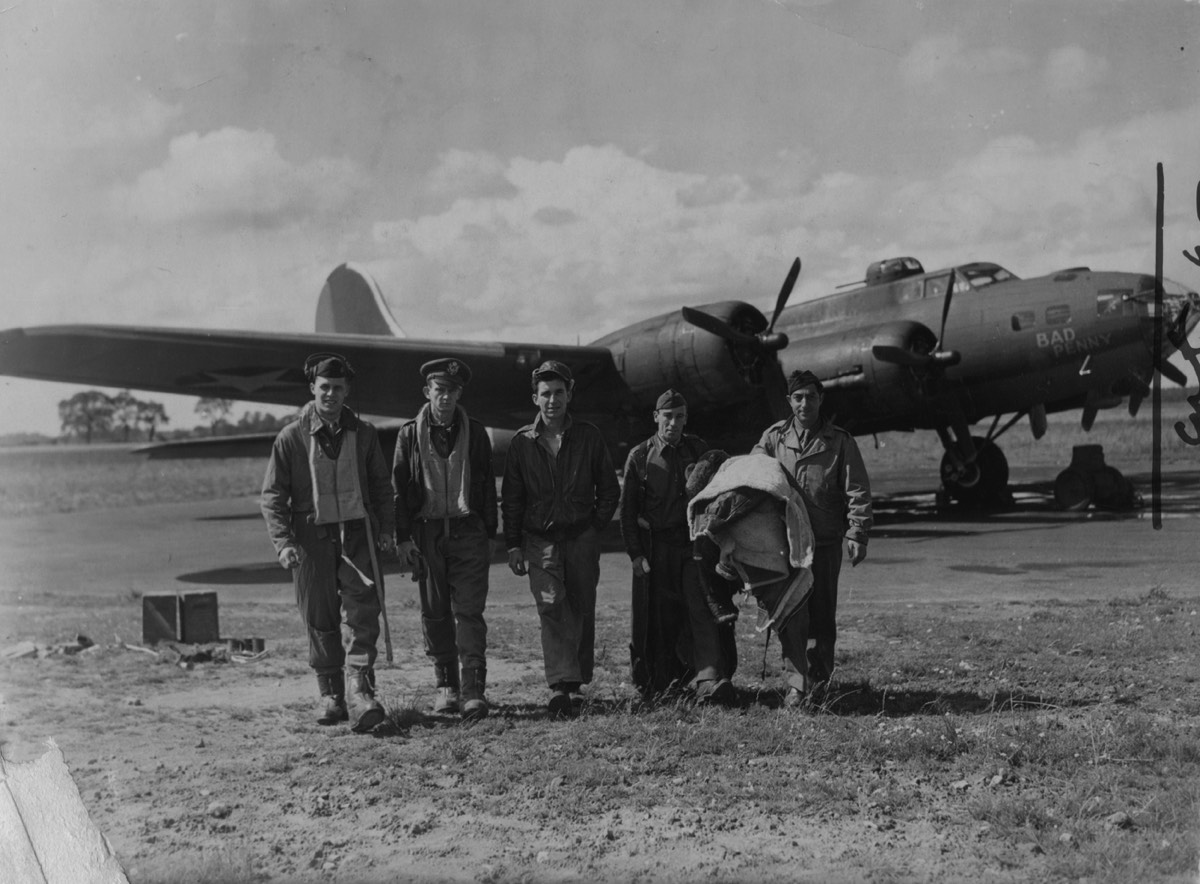
The 94th BG were only at Earls Colne for a short period of time. They arrived from Bassingbourn on May 27th 1943 and departed on June 13th for their new base at Bury St.Edmunds. This photo claims to be taken on 14th June 1943 at Bury although this was not recorded as a mission day. Photo 408480 from Roger Freeman's collection at the American Air Museum.
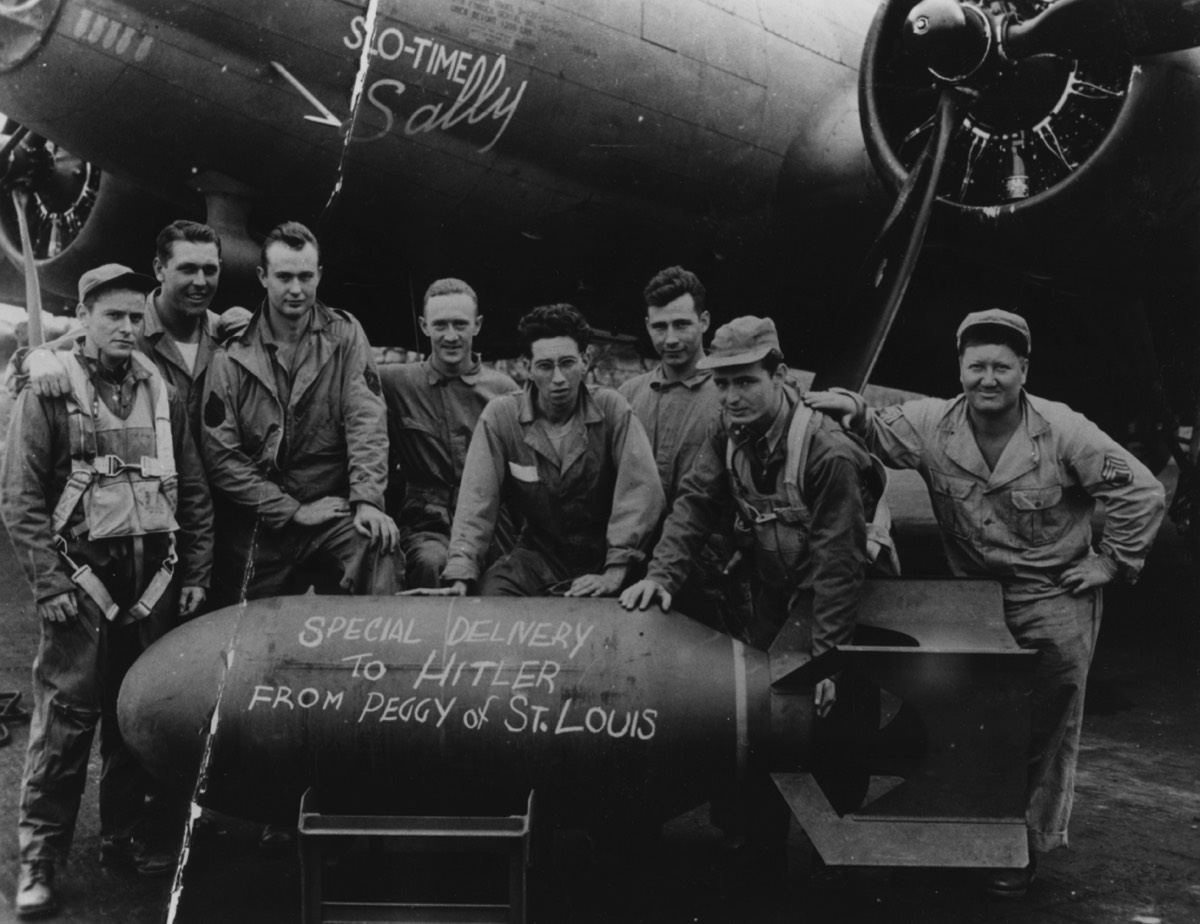
94th BG B-17 'Slo Time Sally' flew from Earls Colne. Here the bomber and her crew are pictured with part of the bomb load. Picture is from the American Air Museum collection and is believed to have been supplied by the family of Sgt.Arlie Thompson who was tail gunner on 'Sally'. Sadly, he was killed in action on January 5th 1944.
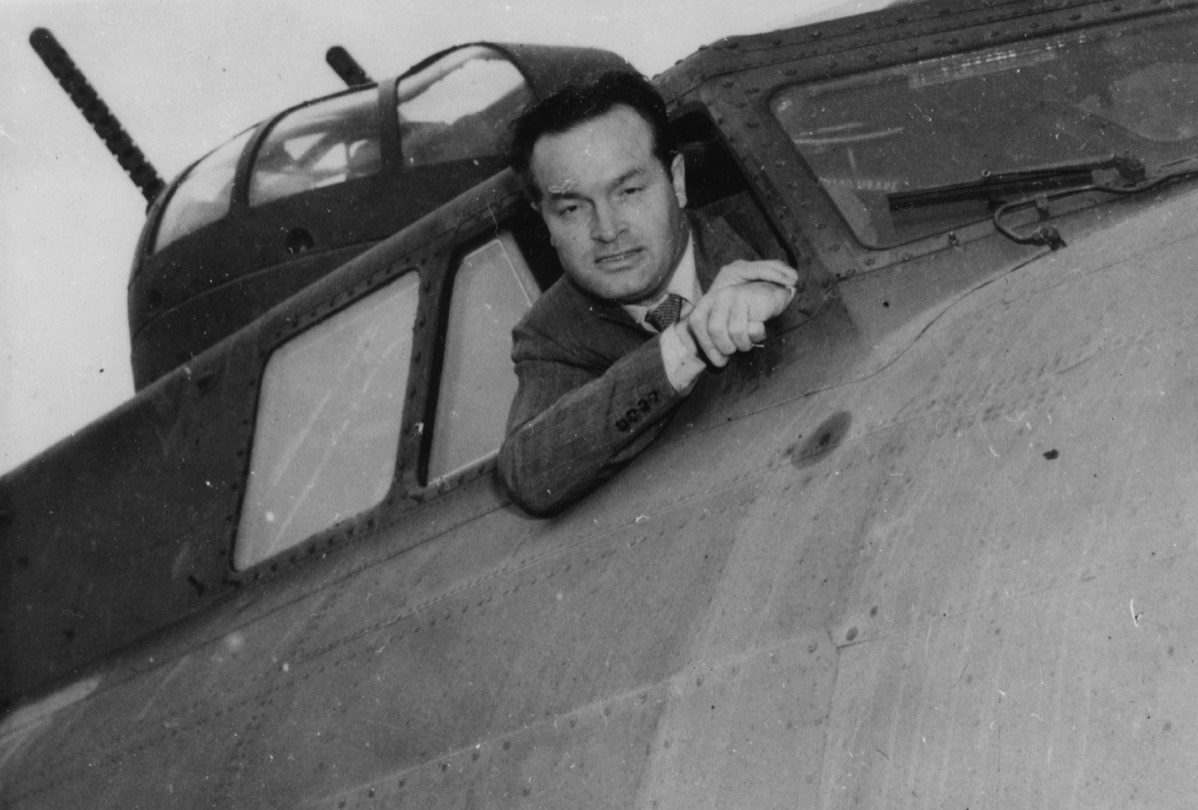
Bob Hope visited Earls Colne and appeared in a concert at the airfield along with Frances Langford. Here, he is pictured in the cockpit of a B-17 - although this is may not be at Earls Colne, it is reportedly a 94th BG aircraft. Photo #3863 from Roger Freeman collection, American Aviation Museum.
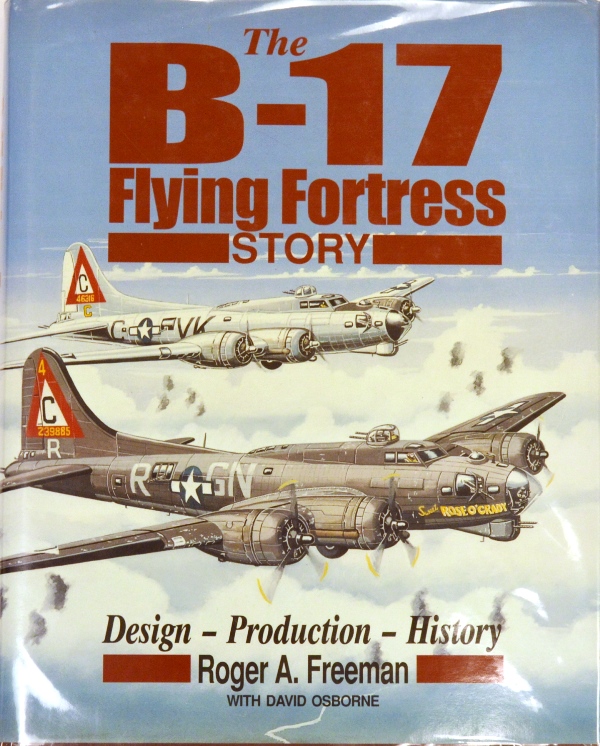
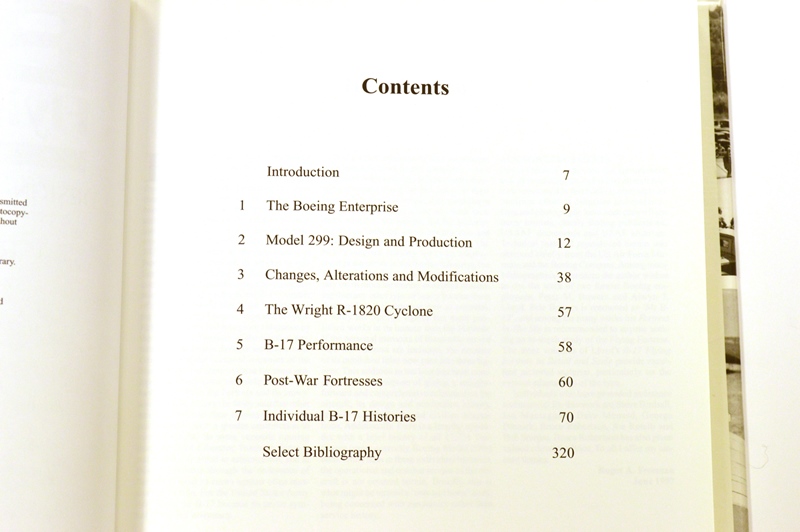
The B-17 Flying Fortress Story: Design-Production-History
By Roger A. Freeman with David Osborne
Hardcover in dustjacket, illustrated, 319 pages
Published by Arms and Armour August 1998
Language: English
ISBN-10: 1854093010
ISBN-13: 978-1854093011
Dimensions: 9 x 1.2 x 11.2 inches
This book is not for everyone, it is intended to be a researcher’s reference. It does not contain crew interviews, unit histories, color profiles, or mission reports. If you read reviews of this book, in several cases there is a disconnect between what is covered and what the customer hoped would be covered.
It is helpful to view this book in two parts. The first part is a design history written by Freeman which describes the technical details and design evolution of the B-17. This includes several annotated factory drawings which identify every window, access panel, and interior component, something which is sure to please even the most pedantic B-17 aficionado. Each modification to the armament is described and illustrated regardless whether this was a factory change or developed in the field. Production changes are listed by the factory block number and U.S. Army serial number ranges. There were three factories producing B-17s during the war (Boeing at Seattle (-BO), Lockheed Vega at Burbank (-VE), and Douglas at Long Beach (-DL)). Each manufacturer assigned production blocks differently, and introduced production changes at different times, so a B-17F-25 from one factory differs in detail from those produced at the other two even though they share the same block numbers. Using the serial numbers the changes can be determined for each individual aircraft.
Performance data is presented in a large table which makes it easy to determine the relative capabilities of each variant. There is also an interesting section on post-war service and developments applied to the surviving Fortresses. The B-17s served in a wide variety of roles after the war with various operators and these are some of the more interesting modifications and are not widely described, such as engine test beds, air/sea rescue, and civilian airliners.
The second section of the book is devoted to Osborne’s research into the individual record cards for each of the 12,731 B-17s produced. This is arranged by U.S. Army serial number and gives the locations and dates detailing the movements and unit assignments preserved in the records. Fates and aircraft names are listed where known. Here you get a good feel for what happened to the aircraft within the United States, but the information recorded gets less detailed as it gets further away from the U.S. Obviously, this is a massive undertaking and can never be complete, but here a researcher has a place to start when tracking down any given B-17 serial. A table allows correlation with the manufacturers’ production numbers as well. This section comprises the bulk of the book and totals almost 250 pages.
As I said earlier, not a book for every reader, but an invaluable asset for a researcher or a modeler who wants to get every little piece of equipment right for a particular aircraft. If that’s you, this is your book!
By Roger A. Freeman with David Osborne
Hardcover in dustjacket, illustrated, 319 pages
Published by Arms and Armour August 1998
Language: English
ISBN-10: 1854093010
ISBN-13: 978-1854093011
Dimensions: 9 x 1.2 x 11.2 inches
This book is not for everyone, it is intended to be a researcher’s reference. It does not contain crew interviews, unit histories, color profiles, or mission reports. If you read reviews of this book, in several cases there is a disconnect between what is covered and what the customer hoped would be covered.
It is helpful to view this book in two parts. The first part is a design history written by Freeman which describes the technical details and design evolution of the B-17. This includes several annotated factory drawings which identify every window, access panel, and interior component, something which is sure to please even the most pedantic B-17 aficionado. Each modification to the armament is described and illustrated regardless whether this was a factory change or developed in the field. Production changes are listed by the factory block number and U.S. Army serial number ranges. There were three factories producing B-17s during the war (Boeing at Seattle (-BO), Lockheed Vega at Burbank (-VE), and Douglas at Long Beach (-DL)). Each manufacturer assigned production blocks differently, and introduced production changes at different times, so a B-17F-25 from one factory differs in detail from those produced at the other two even though they share the same block numbers. Using the serial numbers the changes can be determined for each individual aircraft.
Performance data is presented in a large table which makes it easy to determine the relative capabilities of each variant. There is also an interesting section on post-war service and developments applied to the surviving Fortresses. The B-17s served in a wide variety of roles after the war with various operators and these are some of the more interesting modifications and are not widely described, such as engine test beds, air/sea rescue, and civilian airliners.
The second section of the book is devoted to Osborne’s research into the individual record cards for each of the 12,731 B-17s produced. This is arranged by U.S. Army serial number and gives the locations and dates detailing the movements and unit assignments preserved in the records. Fates and aircraft names are listed where known. Here you get a good feel for what happened to the aircraft within the United States, but the information recorded gets less detailed as it gets further away from the U.S. Obviously, this is a massive undertaking and can never be complete, but here a researcher has a place to start when tracking down any given B-17 serial. A table allows correlation with the manufacturers’ production numbers as well. This section comprises the bulk of the book and totals almost 250 pages.
As I said earlier, not a book for every reader, but an invaluable asset for a researcher or a modeler who wants to get every little piece of equipment right for a particular aircraft. If that’s you, this is your book!
Le 5 janvier 1944,
https://miscellavia.com/the-94th-bomb-group-at-earls-colne-1943/
Le 94th Bomb Group n’est pas l’un des premiers à travers l’Atlantique (7), mais arrive dans le cadre de la « deuxième vague » de la huitième armée de l’air en avril 1943. Commandé par le colonel John G.Moore, le 94e vol a d'abord volé de Bassingbourn dans le Cambridgeshire en devenant une partie de la 4e aile nouvellement formée avec ses collègues opérateurs B-17, les 95e et 96e groupes de bombes. La première mission pour la 4e escadre était à l'aérodrome de St.Omer, en France, le 13 mai, suivie du port belge d'Anvers le lendemain et d'Emden, en Allemagne, le 15e. Le 17 mai, le 94th BG a dépêché 21 B-17 dans le cadre de la 4e escadre de l'attaque de Lorient, en Bretagne et, le 19 mai, le port naval allemand de Flensburg a été pris pour cible par les 64e Escadre B-17. Pour la dernière 94e opération avant de déménager à Earls Colne, les trois groupes originaux de la 4e aile B-17 ont été rejoints par un quatrième groupe de Bomb, le 92e, pour un deuxième raid sur Emden. La Luftwaffe avait noté le système de bombardiers au plomb «désignés» de l’USAAF et, alors que le 94e B-17 principal s’approchait d’Emden, les chasseurs allemands ont attaqué de front. Le bombardier, qui fonctionnait également comme artilleur avant, a commencé à tirer sur les combattants mais son arme a brouillé en mode de tir, le jetant en arrière sur l'équipement d'orientation de la bombe. la vue Norden a commencé la séquence de la chute de la bombe bien que les bombardiers étaient toujours bien en deçà de leur cible prévue. En voyant le groupe de tête relâcher leur charge de bombe, les forteresses suivantes ont également libéré leur cargaison mortelle (2).
(7) Le premier avion de combat opérationnel de l’USAAF, un B-17E du 97th Bomb Group, est arrivé à Prestwick le 1er juillet 1942 et, le 6 juillet, Fortresses était arrivé à Polebrook (Roger Freeman, Mighty Eighth).
La quatrième aile, commandée par le colonel Curtis Le May, avait fait sa base opérationnelle dans l’historique Marks Hall adjacent à l’aérodrome de Earls Colne, de sorte que le mouvement de la 94e a eu un sens géographique. Cependant, les indications sont que l’aérodrome, bien que construit avec une piste de classe « A » 6000′, n’était pas le mieux adapté aux bombardiers lourds. Les pistes auxiliaires (12/30 et 07/25) étaient les 4200′ de longueur régulière, mais les habitants ont décrit comment les avions revenant de la bataille étaient très bas sur la route B1024 Coggeshall à l'extrémité est de la piste 12/30 permettant une évaluation rapide des dommages causés par la bataille. La présence du pub Bird-in-Hand près de cette extrémité de la piste a également créé un problème – comment garder la barre mais enlever l’obstruction. La solution était simple mais brillante: le toit en pente était arraché et remplacé par un plat. C'était peut-être une mesure temporaire, mais la ligne de toit d'origine n'a été restaurée qu'à la fin des années soixante/début des années soixante (8). En fait, il semble plus probable que l'estimation des dégâts par les observateurs locaux soit liée au Bomb Group, 323e, résident successif, car les 94th BG B-17 ne sont retournés à Earls Colne que deux fois sur le plan opérationnel avant de déménager à Bury St.Edmunds. Cependant, ce sont les forteresses qui ont marqué le public – une autre légende locale, un peu fantaisiste, raconte que les Boeing B-17 « rebondissent dans le champ de betterave sucrière » pour frotter une certaine vitesse avant d’atterrir sur la piste principale.
(8) À la fin des années soixante/soixante-dix, lorsque la ligne de toit a été restaurée, l'oiseau à la main avait repris la vie en tant que pub de campagne Essex. Géré par M. Eric Trodd et la formidable Mme Trodd, l’Oiseau a été une maison libre pendant de nombreuses années jusqu’à ce qu’il devienne un pub Ridleys. En gardant à l'esprit son histoire en temps de guerre et la clientèle de boisson des années 1940, le mur du pub a présenté plusieurs photos de 323rd BG B-26 et de leurs équipages. Après diverses tentatives de modernisation des installations de restauration, l'Oiseau a été mis en vente en 2017 et, après avoir été vide pendant quelques années, a finalement été démoli en 2022. C'était un pub depuis 1862 lorsqu'il était occupé par le détaillant de bière Daniel Webb. Un autre morceau perdu de l'histoire d'East Anglian.
La 94e première mission des comtes Colne a été pilotée le 29 mai 1943 avec le dépôt de stockage naval à Rennes la cible. Il s'agissait d'un important chantier de tirs ferroviaires pour les bases de sous-marins en Bretagne et la 4e escadre de la bombe a été pilotée conjointement avec une attaque de la 1re escadre de la bombe contre les stylos U-Bateau de Saint-Nazaire et la 2e visite de l'escadre de la bombe à la base de sous-marins de La Pallice. Les 72 B-17 de la 4th Bomb Wing ont pris leur envol, se sont ensuite assemblés puis ont tenté de naviguer vers la France en utilisant une navigation point à point non soutenue par un calcul mort. Ils se sont perdus et n'ont pas réussi à faire un rodage adéquat pour cibler. Pour compléter ce fiasco, trois avions ont été perdus et un a atterri à Northolt avec un membre d'équipage mort à bord. La mission suivante pour la 94e était pas le 11 juin lorsque trois des groupes de la 4e Escadre se sont dirigés vers le chantier naval de Wilhelmshaven. Le bombardement de précision à la lumière du jour de l’USAAF a été compromis par l’utilisation par l’Allemagne de bouées de fumée pour effacer pratiquement la cible. La 94e défaite 29 B-17, 25 étaient efficaces sur la cible et aucune n'a été perdue.
La troisième et dernière mission des comtes Colne a décollé le dimanche 13 juin 1943 en direction de la cour de sous-marin et des installations de quai à Kiel, en Allemagne. La cible allait toujours être fortement défendue par des combattants flak mais les combattants ennemis ont également fait sentir leur présence dès que les B-17 ont traversé la côte ennemie. Le 95e groupe de bombardement, à la tête de la mission, avait perdu sept ou huit B-17 au moment où ils ont repris la côte de la mer du Nord et, au moment où ils ont atteint Framlingham, seulement cinq des seize originaux sont restés intacts. Le 94e BG avait pris son décollage d'Earls Colne avec 26 avions, 22 avaient bombardé la cible et ils avaient largement échappé au carnage subi par le 95e. Cependant, pire était à suivre: en revenant de l'autre côté de la mer du Nord jusqu'à leur nouvelle maison à Bury St.Edmunds, plusieurs des équipages de la forteresse ont décidé que la menace d'avion ennemi était passée et qu'il serait sûr de se dépouiller et de nettoyer leurs armes. À moins de 30 miles de la côte est anglienne, les forteresses ont été sautées par une douzaine de chasseurs de nuit Ju88 qui ont expédié à la hâte neuf de l'avion américain. La 4e escadre de la bombe avait sans aucun doute servi d'aimant pour les chasseurs de la Luftwaffe qui avait donné à la 1re Escadre de la bombe un passage facile aux chantiers navals de Brême, mais aucune des deux missions n'avait été spectaculairement précise avec leur bombardement. La perte de 22 B-17 de la quatrième escadre de la bombe a définitivement secoué le sang-froid de la huitième force aérienne.
B-17F Forteresses volantes exploitées par la 94e BG lors de leur résidence à Earls Colne. Cette information est résumée à partir de l’historique des avions de David Osborne dans « The Boeing B-17 Flying Fortress Story », Roger Freeman, Arms & Armour Press, 1998.
(7) Le premier avion de combat opérationnel de l’USAAF, un B-17E du 97th Bomb Group, est arrivé à Prestwick le 1er juillet 1942 et, le 6 juillet, Fortresses était arrivé à Polebrook (Roger Freeman, Mighty Eighth).
La quatrième aile, commandée par le colonel Curtis Le May, avait fait sa base opérationnelle dans l’historique Marks Hall adjacent à l’aérodrome de Earls Colne, de sorte que le mouvement de la 94e a eu un sens géographique. Cependant, les indications sont que l’aérodrome, bien que construit avec une piste de classe « A » 6000′, n’était pas le mieux adapté aux bombardiers lourds. Les pistes auxiliaires (12/30 et 07/25) étaient les 4200′ de longueur régulière, mais les habitants ont décrit comment les avions revenant de la bataille étaient très bas sur la route B1024 Coggeshall à l'extrémité est de la piste 12/30 permettant une évaluation rapide des dommages causés par la bataille. La présence du pub Bird-in-Hand près de cette extrémité de la piste a également créé un problème – comment garder la barre mais enlever l’obstruction. La solution était simple mais brillante: le toit en pente était arraché et remplacé par un plat. C'était peut-être une mesure temporaire, mais la ligne de toit d'origine n'a été restaurée qu'à la fin des années soixante/début des années soixante (8). En fait, il semble plus probable que l'estimation des dégâts par les observateurs locaux soit liée au Bomb Group, 323e, résident successif, car les 94th BG B-17 ne sont retournés à Earls Colne que deux fois sur le plan opérationnel avant de déménager à Bury St.Edmunds. Cependant, ce sont les forteresses qui ont marqué le public – une autre légende locale, un peu fantaisiste, raconte que les Boeing B-17 « rebondissent dans le champ de betterave sucrière » pour frotter une certaine vitesse avant d’atterrir sur la piste principale.
(8) À la fin des années soixante/soixante-dix, lorsque la ligne de toit a été restaurée, l'oiseau à la main avait repris la vie en tant que pub de campagne Essex. Géré par M. Eric Trodd et la formidable Mme Trodd, l’Oiseau a été une maison libre pendant de nombreuses années jusqu’à ce qu’il devienne un pub Ridleys. En gardant à l'esprit son histoire en temps de guerre et la clientèle de boisson des années 1940, le mur du pub a présenté plusieurs photos de 323rd BG B-26 et de leurs équipages. Après diverses tentatives de modernisation des installations de restauration, l'Oiseau a été mis en vente en 2017 et, après avoir été vide pendant quelques années, a finalement été démoli en 2022. C'était un pub depuis 1862 lorsqu'il était occupé par le détaillant de bière Daniel Webb. Un autre morceau perdu de l'histoire d'East Anglian.
La 94e première mission des comtes Colne a été pilotée le 29 mai 1943 avec le dépôt de stockage naval à Rennes la cible. Il s'agissait d'un important chantier de tirs ferroviaires pour les bases de sous-marins en Bretagne et la 4e escadre de la bombe a été pilotée conjointement avec une attaque de la 1re escadre de la bombe contre les stylos U-Bateau de Saint-Nazaire et la 2e visite de l'escadre de la bombe à la base de sous-marins de La Pallice. Les 72 B-17 de la 4th Bomb Wing ont pris leur envol, se sont ensuite assemblés puis ont tenté de naviguer vers la France en utilisant une navigation point à point non soutenue par un calcul mort. Ils se sont perdus et n'ont pas réussi à faire un rodage adéquat pour cibler. Pour compléter ce fiasco, trois avions ont été perdus et un a atterri à Northolt avec un membre d'équipage mort à bord. La mission suivante pour la 94e était pas le 11 juin lorsque trois des groupes de la 4e Escadre se sont dirigés vers le chantier naval de Wilhelmshaven. Le bombardement de précision à la lumière du jour de l’USAAF a été compromis par l’utilisation par l’Allemagne de bouées de fumée pour effacer pratiquement la cible. La 94e défaite 29 B-17, 25 étaient efficaces sur la cible et aucune n'a été perdue.
La troisième et dernière mission des comtes Colne a décollé le dimanche 13 juin 1943 en direction de la cour de sous-marin et des installations de quai à Kiel, en Allemagne. La cible allait toujours être fortement défendue par des combattants flak mais les combattants ennemis ont également fait sentir leur présence dès que les B-17 ont traversé la côte ennemie. Le 95e groupe de bombardement, à la tête de la mission, avait perdu sept ou huit B-17 au moment où ils ont repris la côte de la mer du Nord et, au moment où ils ont atteint Framlingham, seulement cinq des seize originaux sont restés intacts. Le 94e BG avait pris son décollage d'Earls Colne avec 26 avions, 22 avaient bombardé la cible et ils avaient largement échappé au carnage subi par le 95e. Cependant, pire était à suivre: en revenant de l'autre côté de la mer du Nord jusqu'à leur nouvelle maison à Bury St.Edmunds, plusieurs des équipages de la forteresse ont décidé que la menace d'avion ennemi était passée et qu'il serait sûr de se dépouiller et de nettoyer leurs armes. À moins de 30 miles de la côte est anglienne, les forteresses ont été sautées par une douzaine de chasseurs de nuit Ju88 qui ont expédié à la hâte neuf de l'avion américain. La 4e escadre de la bombe avait sans aucun doute servi d'aimant pour les chasseurs de la Luftwaffe qui avait donné à la 1re Escadre de la bombe un passage facile aux chantiers navals de Brême, mais aucune des deux missions n'avait été spectaculairement précise avec leur bombardement. La perte de 22 B-17 de la quatrième escadre de la bombe a définitivement secoué le sang-froid de la huitième force aérienne.
B-17F Forteresses volantes exploitées par la 94e BG lors de leur résidence à Earls Colne. Cette information est résumée à partir de l’historique des avions de David Osborne dans « The Boeing B-17 Flying Fortress Story », Roger Freeman, Arms & Armour Press, 1998.
Source : Le Télégramme Carhaix https://www.facebook.com/letelegramme.carhaix/posts/le-5-janvier-1944-lavion-du-lieutenant-am%C3%A9ricain-raymond-j-born-s%C3%A9crasait-%C3%A0-poul/1750171260447956/
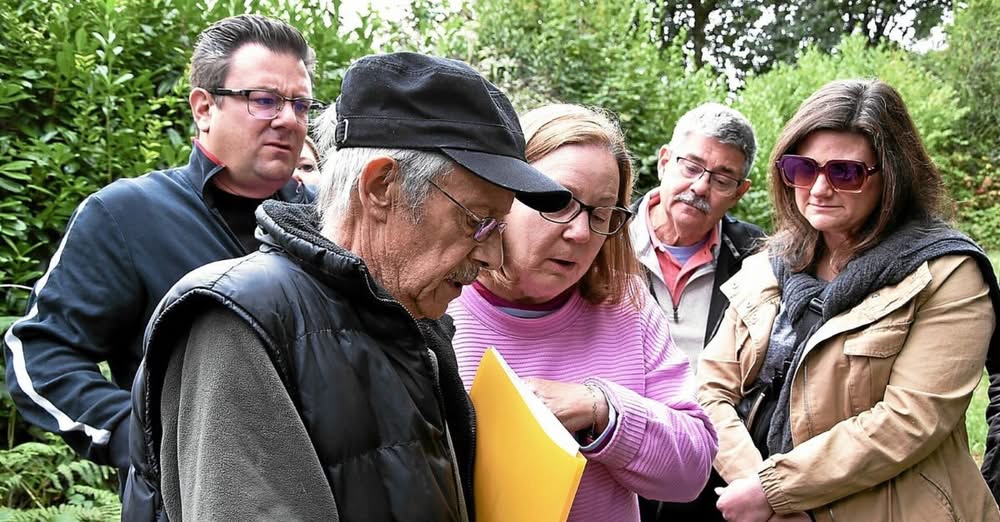
Le 5 janvier 1944, l’avion du lieutenant américain Raymond J. Born s’écrasait à Poullaouen, avec neuf autres militaires. Plus de 80 ans plus tard, sa fille Jennifer et ses petits-enfants découvrent avec émotion les lieux visités par leur aïeul, guidés d’Yvonne Millar et Douglas Doig qui les ont retrouvés après un premier mail… En 2019.
Le moment semble suspendu, vendredi 18 septembre, devant le mémorial américain de Poullaouen lorsqu’un avion militaire fend le ciel : « Nous l’avons fait venir spécialement pour vous », plaisante le maire Didier Goubil. Devant le monument aux morts, Jennifer et son mari David Pantaleone découvrent la commune et ses environs. Accompagné de leurs enfants - un fils et une fille - et leurs conjoints, le couple américain découvre enfin la terre où le père de Jennifer, le lieutenant Raymond J. Born s’est écrasé au début de l’année 1944, après avoir été attaqué par des chasseurs allemands.
Carhaix-Plouguer Finistère Poullaouen #Seconde Guerre mondiale #Histoire #Culture #Patrimoine
Source : Ouest-France
Ouest-France Camille Pineau
Publié le 20/09/2026 à 19h00
Guerre 39-45 : cette Américaine fait « le voyage d'une vie » en Bretagne sur les traces de son père aviateur
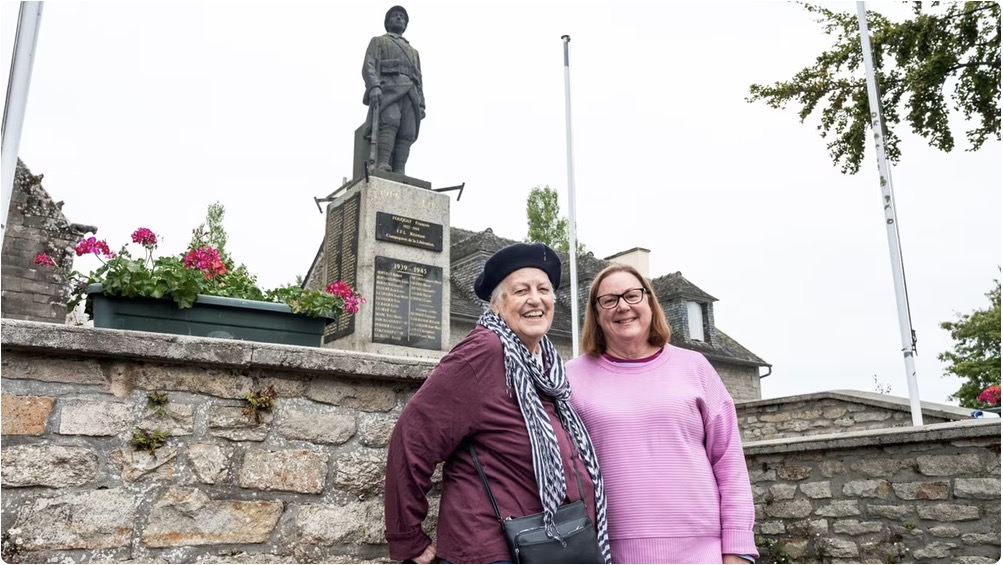
En janvier 1944, le lieutenant Born atterrissait en urgence à Poullaouen (Finistère), après que son bombardier a été touché par des tirs allemands. Vendredi 18 septembre 2026, Jennifer, sa fille s'est rendue sur place avec Yvonne Millar, petite-fille d'une résistante qui a hébergé des soldats.
L'Américaine Jennifer Pantaleone, de Coal city, dans l'illinois et la Franco-Britannique Yvonne Millar, de Plounévézel (Finistère), n'avaient, a priori, aucune raison de se rencontrer un jour. Pourtant, elles ont partagé un grand moment d'émotion, vendredi 18 septembre 2026, à Poullaouen, au lieu-dit Lagoden, non loin de Carhaix.
C'est là qu'il y a 82 ans, le 5 janvier 1944, le père de Jennifer, le lieutenant Raymond Born, pilote d'un bombardier B-17 a atterri en urgence après avoir été touché par des tirs allemands.
Ci dessous cliquez sur le dossier désiré pour le télécharger
Source : Internet
Le “Slo Time Sally”
- Type : Boeing B-17F-90-BO Flying Fortress
- Serial Number : 42-30200
- Code : GL-R
- Unité : 410th Bomb Squadron, 94th Bomb Group, 8th USAAF
- Base en Angleterre : d'abord Earls Colne, puis Rougham / Bury St Edmunds
- Nom : Slo Time Sally
- MACR : 1892
- Date de perte : 5 janvier 1944
- Lieu du crash : secteur de Logodennic, commune de Poullaouen (Finistère).
1. L'appareil
Le 42-30200 est un Boeing B-17F-90-BO Flying Fortress, construit par Boeing, portant le code GL-R du 410th Bomb Squadron, 94th Bomb Group, 8th USAAF. Son numéro de construction est 5314.
Il porte le surnom :
Slo Time Sally
2. Le dernier départ
5 janvier 1944.
Le B-17 décolle de la base de Bury St Edmunds / Rougham, dans le Suffolk.
L'heure donnée par les sources spécialisées est :
07 h 35
Objectif :
aérodrome de Bordeaux-Mérignac
Il s'agit d'une mission de bombardement classique de la 8th Air Force contre une installation aéronautique allemande.
3. Les dix hommes
L'équipage était composé de dix hommes.
Fonction Nom Destin
- Pilote 2nd Lt Raymond John Born Prisonnier
- Copilote F/O Harold J. Erickson Prisonnier
- Bombardier 2nd Lt Ernest H. Hugonnet Évadé
- Navigateur 2nd Lt Norman R. King Évadé
- Radio / mitrailleur Sgt Harold O. Gilley Évadé
- Mitrailleur S/Sgt Robert C. Southers Évadé
- Mécanicien / mitrailleur S/Sgt Donald D. McLeod Évadé
- Mitrailleur de queue Sgt Arlie Leroy Thompson Mort
- Mitrailleur Sgt Robert A. Schwartzburg Évadé
- Mitrailleur Sgt Marion A. Hall Évadé
4. L'attaque
Au retour de mission, le Slo Time Sally est attaqué par des chasseurs allemands.
La source consacrée à Arlie Thompson situe l'attaque vers 13 h 30.
Le B-17 est suffisamment endommagé pour que l'équipage doive l'abandonner.
Et c'est ici que le destin des dix hommes se sépare.
Raymond Born et Harold Erickson
Le pilote Raymond J. Born et le copilote Harold J. Erickson ne parviennent pas à s'échapper dans les mêmes conditions que leurs camarades.
Ils seront finalement capturés et deviendront prisonniers de guerre.
Les huit autres hommes parviennent à quitter l'appareil.
Mais pour eux commence alors un nouveau défi, survivre en territoire occupé.
5. Le drame d'Arlie Thompson
Neuf hommes vont donc survivre au crash proprement dit, Arlie Leroy Thompson, 22 ans, originaire de Pennsylvanie, est le mitrailleur de queue.
Il est grièvement blessé à l’abdomen et meurt après avoir quitté l’avion.
Les informations disponibles indiquent qu'on l'aide à quitter l'appareil, mais qu'il meurt après son arrivée au sol.
Il est enterré au Normandy American Cemetery de Colleville-sur-Mer, plot C, row 15, grave 47.
6. Poullaouen
Les sources françaises localisent le crash du Slo Time Sally à :
Logodennic – commune de Poullaouen
le 5 janvier 1944.
Crash : Logodennic, commune de Poullaouen — localisation à préciser.
7. Le plus extraordinaire : ils ne disparaissent pas
Et c'est là que Slo Time Sally devient véritablement une histoire de Résistance.
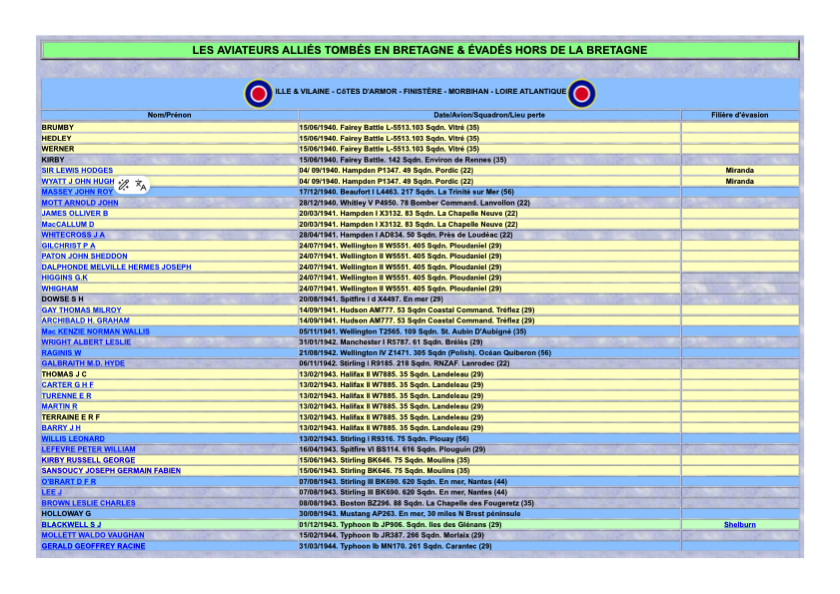
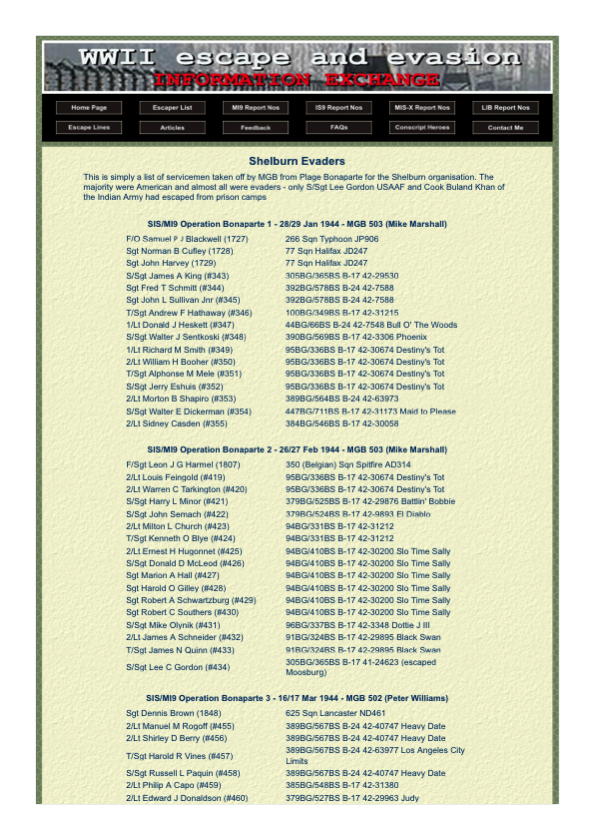
Six des membres de l'équipage apparaissent dans les documents relatifs à la filière Shelburn :
- Ernest H. Hugonnet
- Donald D. McLeod
- Marion A. Hall
- Harold O. Gilley
- Robert A. Schwartzburg
- Robert C. Southers
Les listes d'évadés de l'ABSA les identifient explicitement comme ayant été récupérés par Shelburn.
Un document de l'Air Forces Escape & Evasion Society donne également le parcours de l'équipage et précise notamment que McLeod revint par Plouha dans le cadre de l'opération Bonaparte.
8. Le rôle extraordinaire des civils français
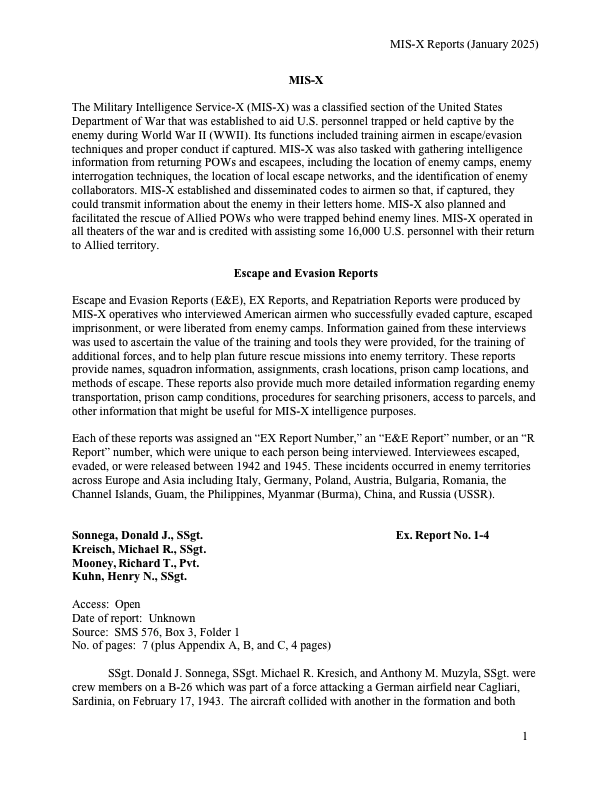
Les documents MIS-X sont particulièrement précieux ici.
Les rapports américains établis après leur retour en Angleterre contiennent les témoignages de :
- Harold O. Gilley — rapport E&E n° 428
- Robert A. Schwartzburg — rapport E&E n° 429
- Robert C. Southers — rapport E&E n° 430
Ces rapports indiquent que Gilley reçut notamment une aide médicale de civils français et que Schwartzburg fut aidé par un agriculteur français qui lui procura de la nourriture.
Des aviateurs américains ont été sauvés par la Résistance, Qui les a trouvés ? Qui les a nourris ? Où ont-ils dormi ? Qui a pris le risque de les cacher ? Comment ont-ils été déplacés ?
9. De Poullaouen à la mer
Les six hommes de Slo Time Sally vont progressivement rejoindre les filières clandestines.
La destination finale est la côte nord de la Bretagne.
Le réseau Shelburn, soutenu par le MI9 britannique, avait précisément cette fonction : récupérer les aviateurs alliés cachés en France et les faire passer directement en Angleterre par mer plutôt que de leur faire traverser les Pyrénées.
Le système repose notamment sur la plage Bonaparte, près de Plouha, dans les Côtes-du-Nord.
les six hommes ne sont pas arrivés ensemble à Plouha, les documents disponibles montrent au contraire que les parcours des évadés pouvaient être différents avant leur regroupement.
10. Opération Bonaparte II — février 1944
Dans la nuit du 26 février 1944, l'opération Bonaparte II permet à un groupe important d'aviateurs alliés de quitter la Bretagne.
Le MGB 503, commandé par Mike Marshall avec David Birkin comme navigateur, embarque 17 aviateurs alliés, dont les six survivants de Slo Time Sally :
Gilley
Hall
Hugonnet
McLeod
Schwartzburg
Southers
La plage utilisée est :
Bonaparte – Plouha
Bury St Edmunds → Bordeaux → Poullaouen → filières clandestines → Plouha → Angleterre
11. Une histoire incroyable : 5 janvier → 26 février
Entre le crash et l'embarquement, il s'écoule environ 52 jours.
Cinquante-deux jours pendant lesquels ces hommes doivent :
- échapper aux recherches allemandes
- ne pas être identifiés
- trouver nourriture et vêtements
- rester cachés
- être déplacés d'un refuge à un autre
- faire confiance à des inconnus
- attendre les instructions
- rejoindre finalement la côte
Et pendant toute cette période, chaque personne qui les aide risque l'arrestation, la torture, la déportation ou la mort.
12. Le retour en Angleterre
Les sources relatives aux opérations Shelburn indiquent que ces hommes sont finalement embarqués à bord du MGB 503 et ramenés en Angleterre.
Le document consacré aux opérations d'exfiltration les rattache à Bonaparte II / Shelburn et au système maritime du MI9.
Ainsi, contrairement à beaucoup d'équipages de B-17 abattus en France, l'histoire de Slo Time Sally ne se termine pas avec le crash.
Le crash n'est que le début de l’histoire.
13. Et il y a un autre détail extraordinaire
Le 5 janvier 1944, un autre B-17 du 94th Bomb Group, le 42-31212, est également abattu au cours de la même mission vers Bordeaux-Mérignac.
Son équipage connaît lui aussi une histoire d'évasion et plusieurs de ses membres rejoignent Shelburn.
Le mémorial de Kergrist-Moëlou rassemble les noms de quatre aviateurs morts appartenant aux deux appareils. L'Air Forces Escape & Evasion Society rappelle que les deux B-17
revenaient de la même mission.
Cela ouvre donc une possibilité très intéressante pour votre site :
« Le 5 janvier 1944 : deux Forteresses volantes tombent en Bretagne »
42-30200 – Slo Time Sally – Poullaouen
42-31212 – 94th BG – Kergrist-Moëlou
Puis :
les survivants → la Résistance → Shelburn → Angleterre.